

The Question That Stayed
By Fr. Peter J. Bernardi, SJ
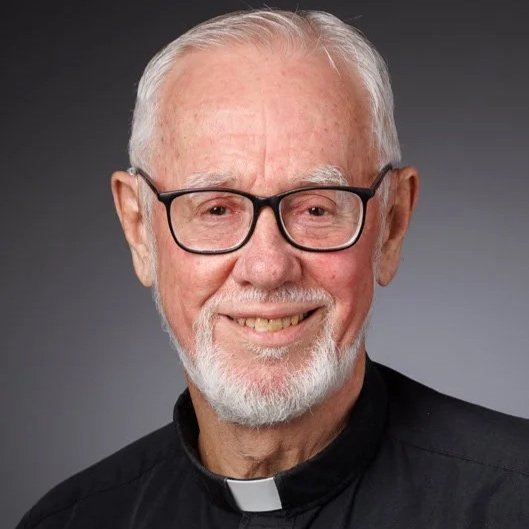
Fr. Peter J. Bernardi, SJ
Before entering the novitiate, I was drawn to challenges. I worked as an emergency room orderly. I reached out to the marginalized. I labored in a steel factory. I made a pilgrimage to Europe. I studied the Greek and Latin classics.
Later I realized these were the sorts of “experiments” that young Jesuits undergo to test their vocation. From the get-go, I was drawn to philosophy and theology
I was shaped by Jesuit teachers who combined intellectual seriousness with engagement in the world. At Xavier University I experienced the turbulence of the 1960s and debates over war, civil rights and the future of the Church. During a Holy Thursday liturgy on campus, I watched Jesuits gathered around the altar and suddenly felt an unmistakable sense of calling.
THROUGH THE DEATH OF JESUS, GOD REVEALED THAT LOVE
AND HOPE ARE STRONGER
THAN SUFFERING, INJUSTICE
AND DEATH ITSELF.
My vocation has taken me from classrooms to parishes, from the aftermath of Hurricane Katrina to places like Auschwitz and Dachau that force humanity’s hardest questions. I have seen impossible suffering and injustice. But I have also seen courage and extraordinary faith.
The question that has stayed with me throughout my life and work is this: Why should the death of a Galilean Jew make any difference?
For me, the answer is simple: Through the death of Jesus, God revealed that love and hope are stronger than suffering, injustice and death itself.
Looking back, I remain grateful for the people, experiences and moments of grace that have shaped my Jesuit life.
50 Years of Grace
By Fr. Tom Florek, SJ
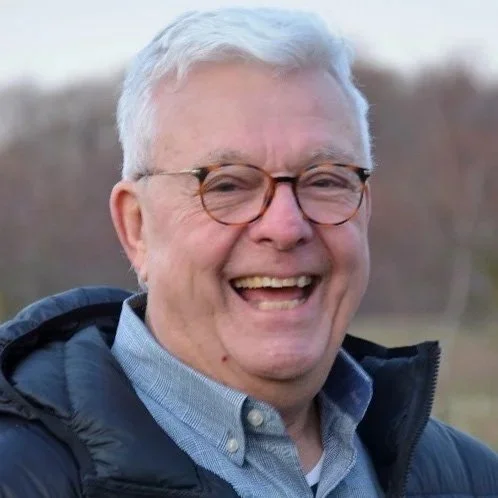
By Fr. Tom Florek, SJ
Two 16th century men spoke to me during the silence of an extended illness: St. Juan Diego Cuauhtlatoatzin from today’s Mexico; and St. Ignatius of Loyola from Spain. Both were pilgrims who listened, and as a result changed their road. Fast forward to a 20th century Basque, Pedro Arrupe, SJ, who said: “Only by being a man or woman for others does one become fully human.” Those words ignited my fire.
In 1974, while completing my conscientious objector service at Bruce-Guadalupe Community School in Milwaukee, I knocked on the rectory door at Church of the Gesu with a burning desire to enter the Jesuits. My will was put on pause. With the recommendation to take time to prepare, I entered an M.Ed. program at Loyola University Chicago’s Erikson Institute. The early childhood development course and the discipline became essential for the journey ahead. I entered the Society of Jesus in 1976.
FINDING GOD IN ALL THINGS, INCLUDING ENCHILADAS AND TEQUILA, MY VOCATIONAL JOURNEY CROSSED CULTURAL BOUNDARIES INTO THE WORLDS OF MIGRANTS AND IMMIGRANTS.
The 50-year journey has been an ongoing encounter of grace: good companions, exceptional formation, growth and service. The Spiritual Exercises, and deepening friendship with the Lord, helped to guide my journey.
Finding God in all things, including enchiladas and tequila, my vocational journey crossed cultural boundaries into the worlds of migrants and immigrants. Following theology studies in Mexico, I returned to the Midwest to initiate the Midwest Hispanic Leadership Institute. Later I joined a Mexican Jesuit human rights group, only to return and work with the Catholic Migrant Farmworker Network (CMFN).
I’m grateful to the Society for the journey in my love of Christ found in the heart and struggles of migrant farmworkers today.
Also celebrating 50 Years as a Jesuit: Fr. Dennis McNeilly, SJ
IN THIS ISSUE
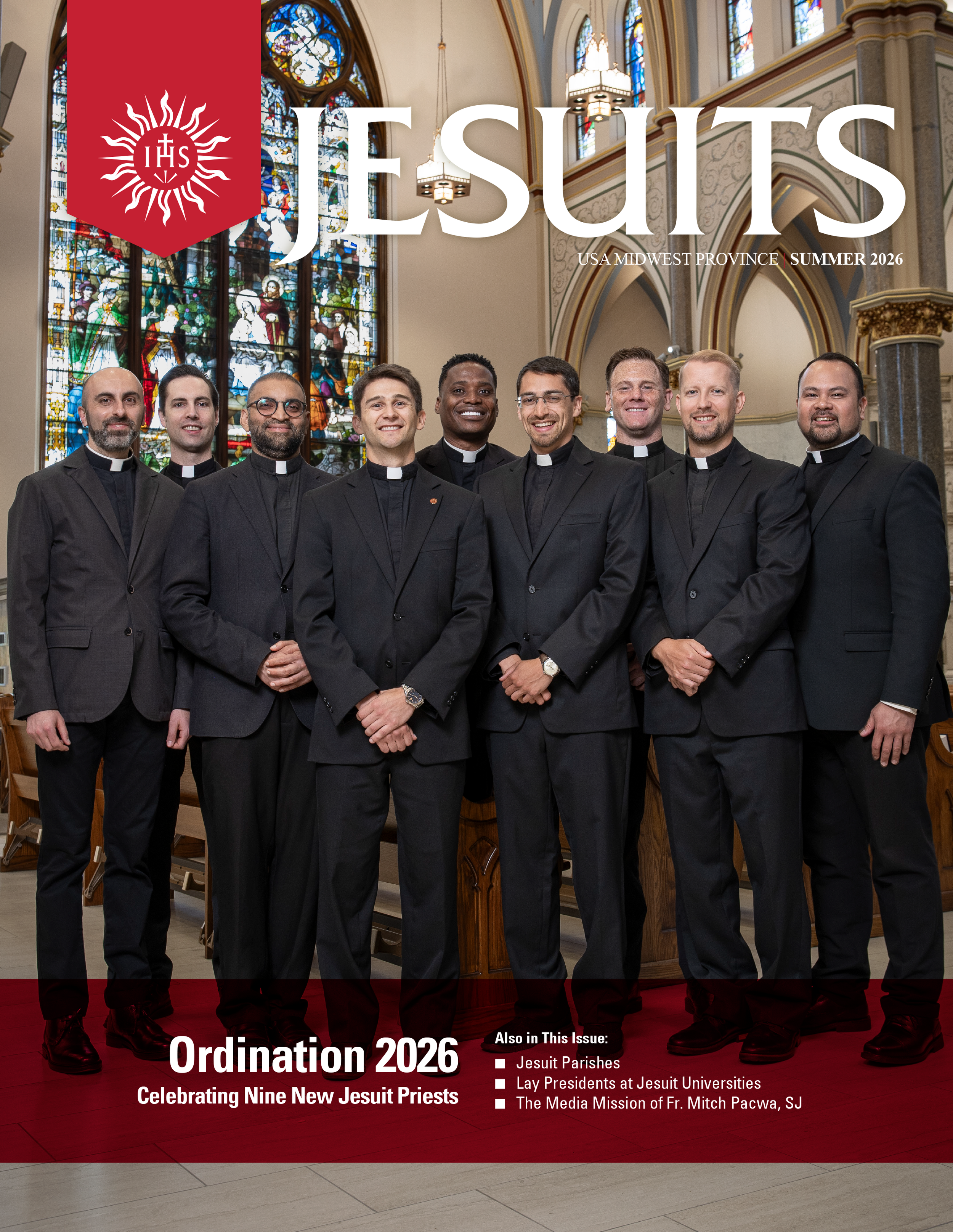
ON THE COVER
The 2026 ordinands at Church of the Gesu in Milwaukee.
Photo: Steve Donisch