A Day in the Life of a Jesuit in Nicaragua
Working in the Central American country for 40 years now, Fr. Joe Mulligan, SJ, experienced a day in April 2026 that encapsulated just about everything he does there
by Fr. Joseph E. Mulligan, SJ
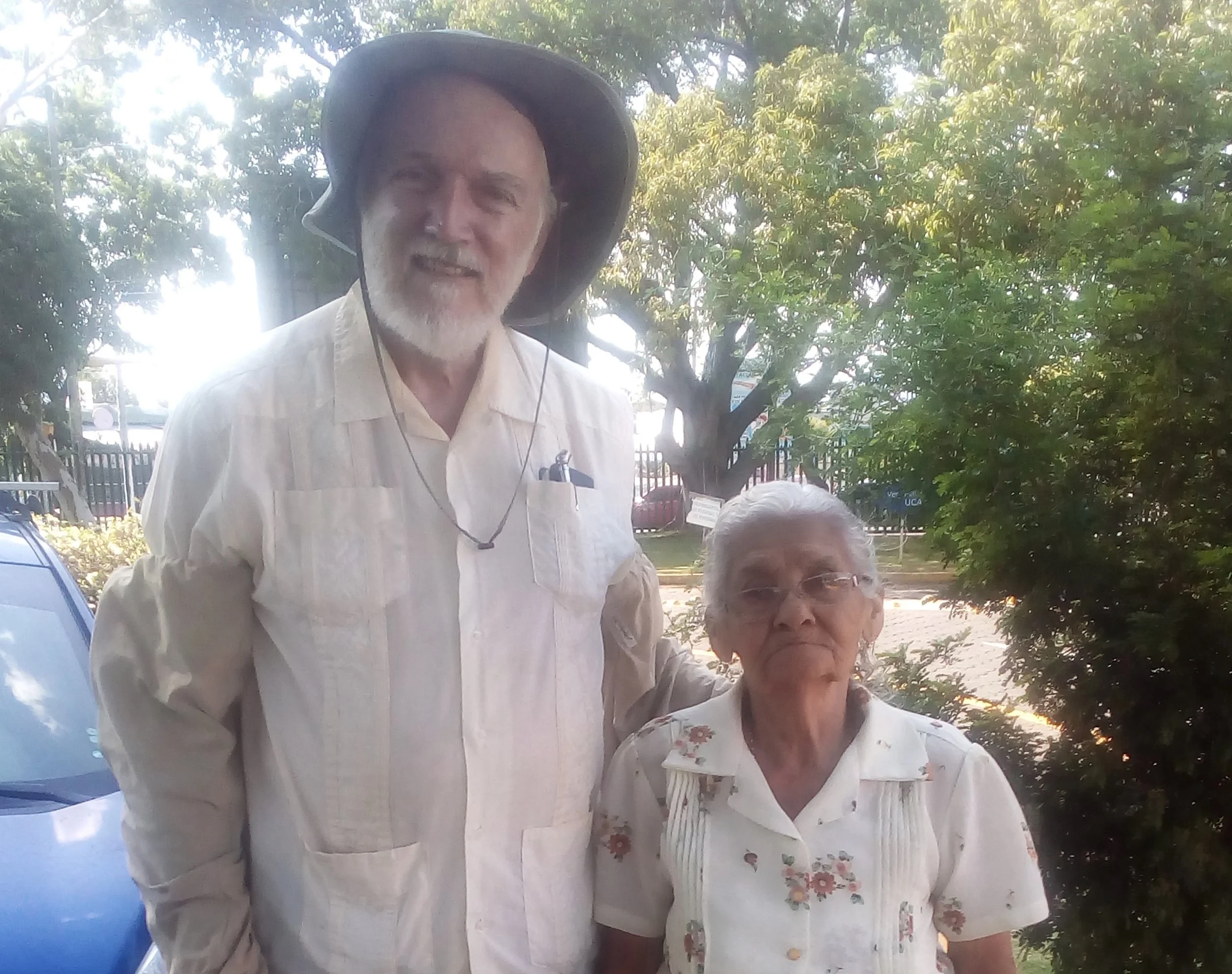
Fr. Joe Mulligan, SJ (left), with Doña Conchita in Nicaragua.
Early in my Jesuit formation, studying philosophy in Chicago, I became aware of racism and urban poverty, particularly on the Saturdays I spent at an inner-city Jesuit parish.
Later, I saw the Vietnam War as an unjustified intervention, but my participation in demonstrations, and even rejecting my seminarian exemption from the draft, didn’t seem enough. After meeting Fr. Daniel Berrigan, SJ, his brother Phil and others, I took part in the “Chicago 15” destruction of draft files in 1969—only after consulting with my local superior and receiving his prayerful acceptance of my decision.
Sentenced to two years in federal prison, I continued my study of theology and deepened my understanding of United States foreign policy, especially in regard to Latin America.
I HAD THE PLEASURE OF BEING FRIENDS AND COUNSELOR TO MANY YOUNG ADULTS WHO DEVOTED TWO YEARS OF SERVICE TO THE NEEDY HERE IN NICARAGUA.
A year after my release, I was ordained. I lived in a Jesuit community in the Pilsen barrio of Chicago for four years, co-founding the Jesuit Project for Third World Awareness with a younger Jesuit. We gave talks, taught and published a monthly mimeographed newsletter.
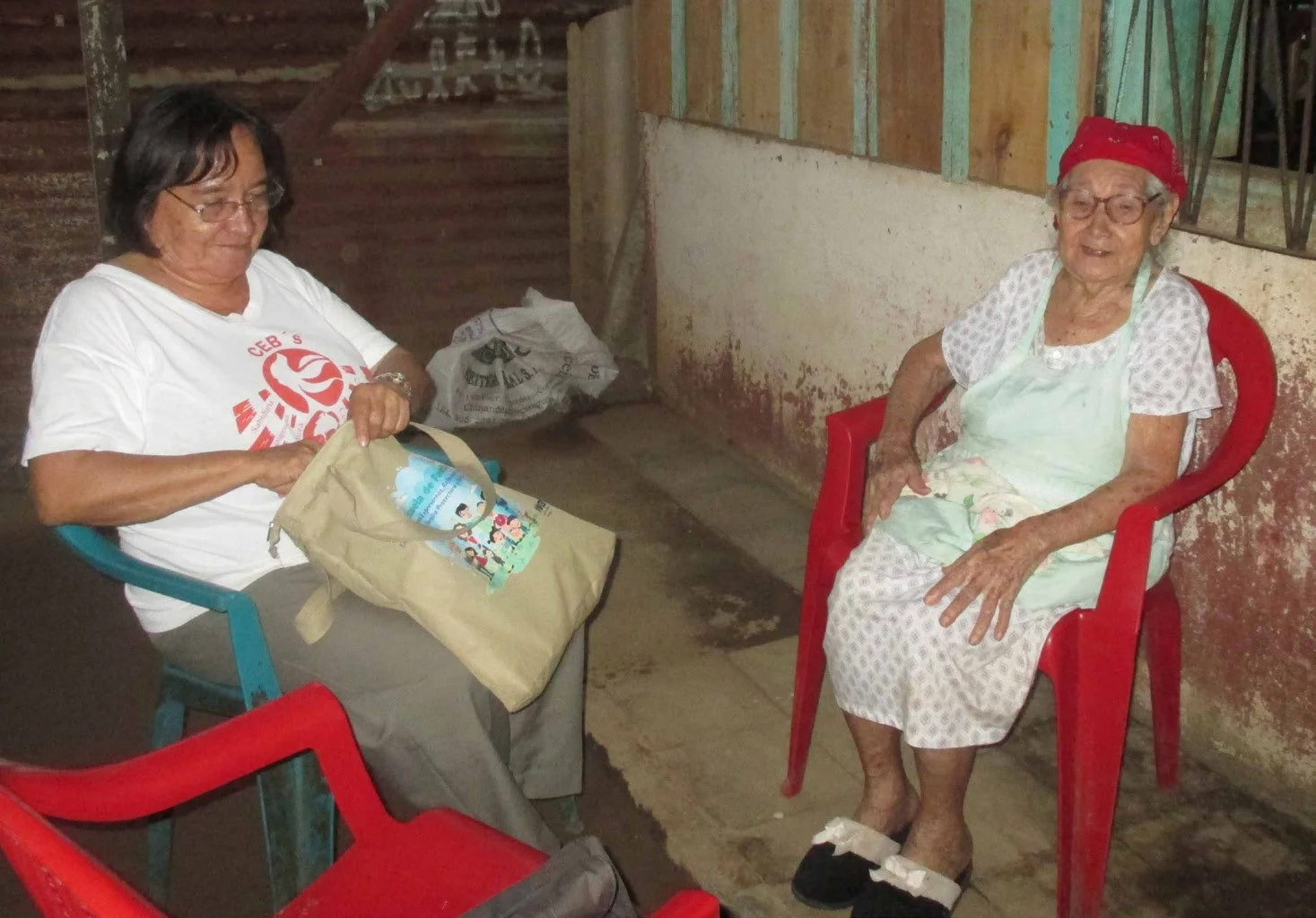
Doña Tomasita (right) with an Oblate sister in Nicaragua.
My ties with Latin America deepened when I made my tertianship in Colombia, and after that, while living in a Jesuit community in a barrio of Detroit, I continued my work of consciousness-raising about U.S. policy toward Latin America. In 1986, I was presented with the possibility of working in Nicaragua. There, I would write for a Jesuit magazine that specialized in socio-political analysis. I would also work with a Mexican Jesuit in Christian Base Communities, which are grassroots Church communities in low-income barrios that emphasize people’s participation in liturgy, biblical reflection and social commitment. I still do this work today.
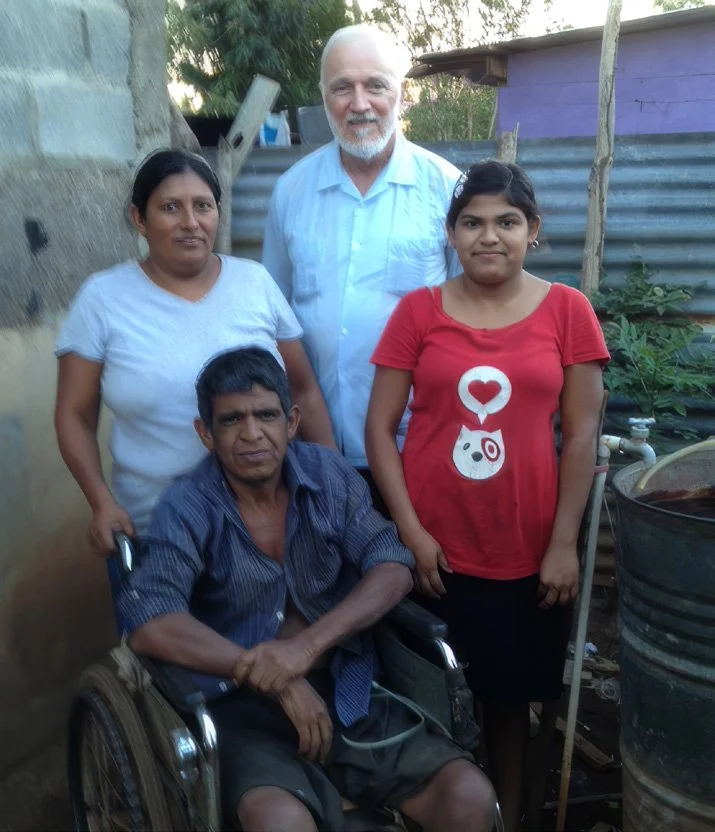
Fr. Joe Mulligan, SJ (back), with a man with disabilities and his family in Nicaragua.
Shortly after arriving in Nicaragua, I became acquainted with folks with disabilities (“special abilities”) and have formed lasting friendships that inspire me. In the Christian Base Communities, I visit folks in their homes and celebrate Mass regularly. I am so grateful that my Jesuit life has developed in this way. Some days consist of significant experiences that describe who I am as a Jesuit priest in Nicaragua and what I do. April 19, 2026 was one such special day.
I started the day by visiting Doña Tomasita on her 104th birthday. She lives with her family in a modest home in Managua, where I have worked for 40 years in pastoral accompaniment. Cristina, the coordinator of the local Christian Base Community, accompanied me. We brought ice cream to share with Tomasita and her family.
For many years, Tomasita was a key person in the soy-based feeding program for malnourished children and nursing mothers while also participating actively in our weekly Masses. A few weeks ago, Tomasita and others went with me in my pickup truck to visit a blind man, Rafael, who lives in a senior home four hours from Managua.
Rafael is one of about 70 persons with physical disabilities who have been part of my life and social-pastoral work. For some years, several times a year, he would stay with Tomasita and her family for a week at a time. That is no longer possible, so Tomasita, her granddaughter and two other blind persons who know Rafael traveled with me to visit him and enjoy a nice lunch at a diner.
After the visit with Tomasita, I headed to San Marcos, about an hour south of Managua, to celebrate Mass in memory of Don Samuel on the 19th anniversary of his passing at age 100. I had known Samuel during the last years of his life and had come to love him, his wife Doña Conchita, and the family.
After the Mass and supper with the family and some friends who had come, I gave Conchita a big hug, and said, “I am always glad to come here to visit you.” She immediately replied, “I know that you are always glad to come here to visit me.” That short expression of love and friendship has stayed in my mind and heart ever since.
That evening, I wrote most of an article called “Vance: ‘In some cases it would be best for the Vatican to stick to matters of morality.’”
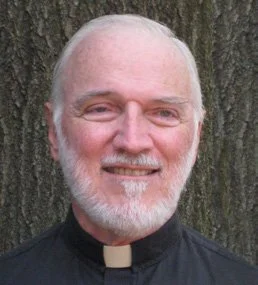
Fr. Joseph E. Mulligan, SJ, has worked in pastoral accompaniment since 1986 in Nicaragua, where he also served as in-country coordinator of the Jesuit Volunteers International communities.
It begins with Pope Leo XIV’s explicit criticism of U.S. aggression against Iran on April 7 and continues with Vice President JD Vance’s April 13 response, quoted in the article’s title.
I state that in the Bible, “morality” goes beyond individual and interpersonal behavior and clearly encompasses public policy and the actions of officials. I develop the point by quoting the Gospel and authoritative Church documents.
Another very important part of my life here in Nicaragua was my experience as in-country coordinator of the Jesuit Volunteers International communities. For some years I had the pleasure of being friends and counselor to many young adults who devoted two years of service to the needy here in Nicaragua. These friendships remain.
It would have been hard to believe 40 years ago that some days I would fit so many aspects of my ministry into one day, but it happened in April, and for that, and all other days I’m able to share life with the people of Nicaragua, I am grateful.