Gesu Housing Continues to Build
Knocking on the door of its 25th year, the Nebraska home construction organization founded by the late Br. Mike Wilmot, SJ, shows no signs of slowing down
by Garan Santicola
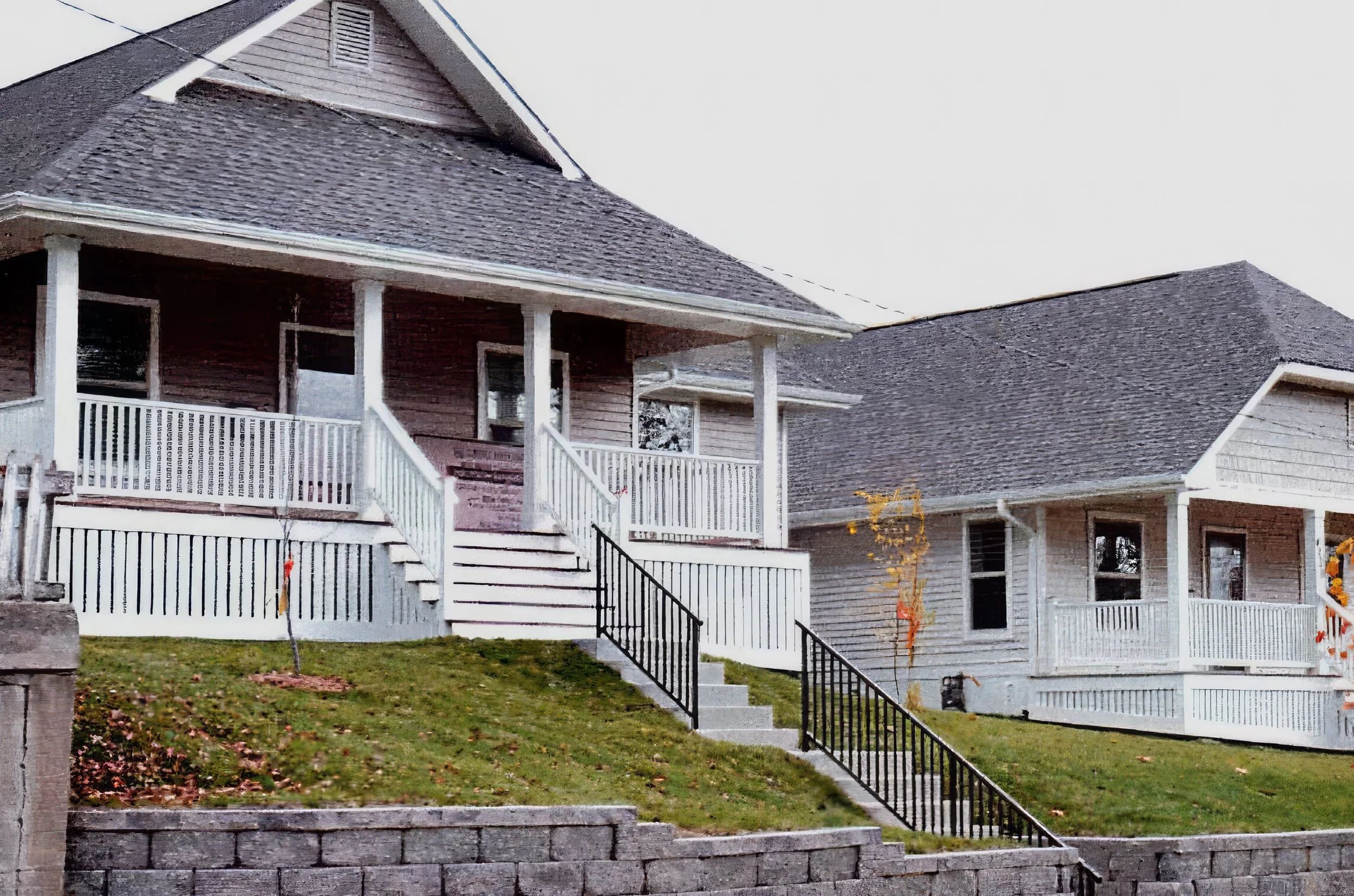
Gesu Housing, founded by Br. Mike Wilmot, SJ, in 2002, has built more than 70 Energy Star 3.1 Certified homes for the working poor in North Omaha, including five this year in the Clifton Hills neighborhood near Creighton University.
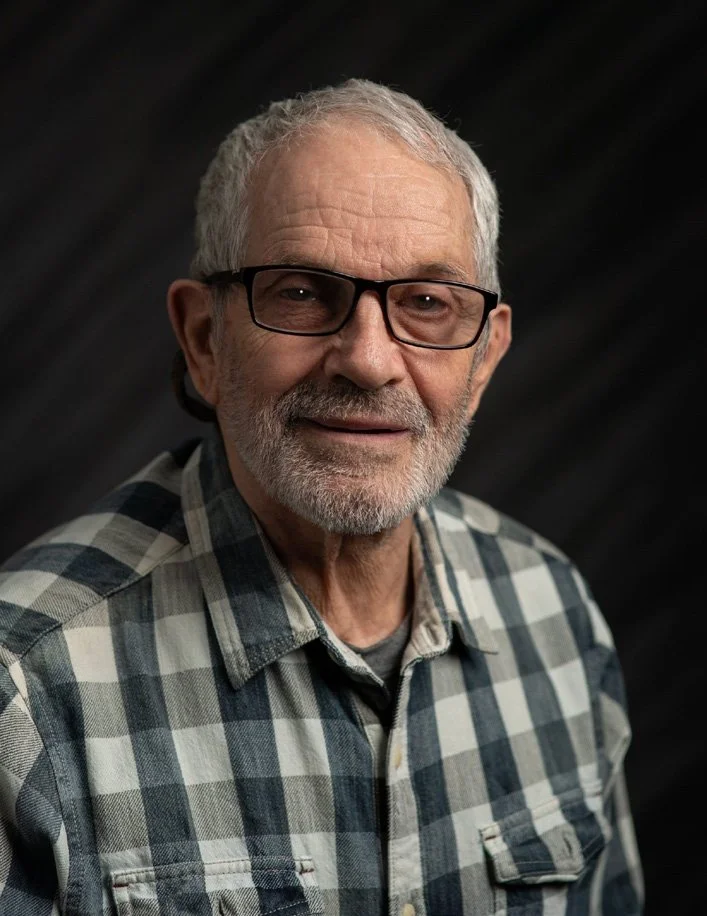
Br. Mike Wilmot, SJ
“The story of Gesu Housing is a story about what happens when a Jesuit leaves the classroom and finds his way into a neighborhood,” says Burke Harr, board president and chief operating officer of Gesu Housing, a nonprofit organization that builds affordable houses for working-poor families in Omaha, Neb.
In 2027, the organization will mark its 25th anniversary, founded in 2002 by Br. Mike Wilmot, SJ, who passed away in 2022 at the age of 81. His story remains a driving force in the mission he set in motion.
“I believe in what Brother was trying to do,” says Pat Evans, Gesu Housing’s executive director who follows in Br. Wilmot’s footsteps running what she calls a “one-person office.” Prior to running Gesu, Evans spent 20 years with the Omaha City Planning Department, allocating HUD funds for the purchase of homes built by Gesu Housing. “We used to tease Br. Wilmot and say we would set up an office for him because he was literally there every day pushing his agenda,” Evans says.
THE NEIGHBORHOOD WHERE THE HOMES ARE LOCATED HAS BEEN TRANSFORMED BY THIS CONCENTRATION OF CONSISTENT HOMEOWNERS.
Since 2002, Gesu Housing has built more than 70 Energy Star 3.1 Certified homes in North Omaha, including five this year in the Clifton Hills neighborhood near Creighton University, where Br. Wilmot acquired abandoned lots for new builds. Having worked as a carpenter in his first mission after novitiate, Br. Wilmot went on to teach and coach at Creighton Preparatory School, where he also served as dean of students and assistant supervisor of buildings and grounds. Amid his 30 years at Creighton Prep, he took a life-changing sabbatical to Uganda, where he witnessed the impact of stable housing on struggling families.
Prior to that trip, he built Omaha’s Jesuit middle school, now known as Jesuit Academy. He also built an addition to Omaha’s Mulumba House, which is named after Ugandan martyr Matthias Mulumba and once served as the Jesuit residence in Clifton Hills. Upon returning from Uganda, Br. Wilmot focused on helping struggling families by building quality homes they could afford to buy in Clifton Hills.
“Initially, the money came piecemeal, from generous benefactors,” Harr says. “The labor came from volunteers, friends and the Jesuit community.”
Brother Wilmot’s work grew organically for several years until he formally established Gesu Housing as a nonprofit, paving the way for HUD funding in partnership with the City of Omaha. Over the years, Gesu models evolved from all-concrete structures to houses that sacrifice nothing and serve as legacy properties for families.
“The homes are still owned and occupied by the original families that purchased them,” says Fr. Robert Tillman, SJ, who lived at Mulumba House throughout Gesu Housing’s first decade. “The neighborhood where the homes are located has been transformed by this concentration of consistent homeowners.”
While Gesu continues to revitalize the Clifton Hills neighborhood, Evans seeks to expand housing options for families, from new home builds beyond Clifton Hills to rental opportunities that serve as stepping stones to homeownership.
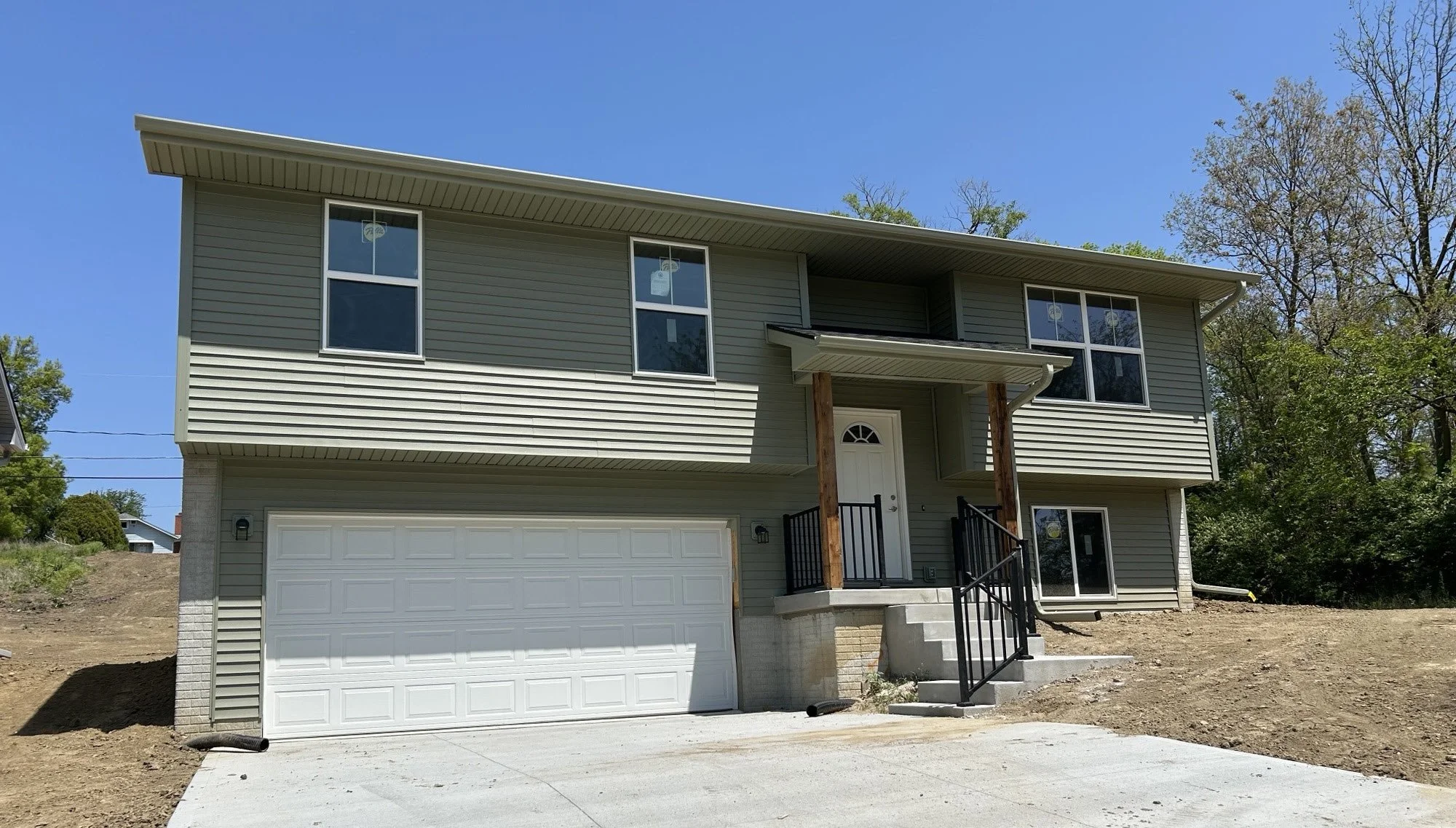
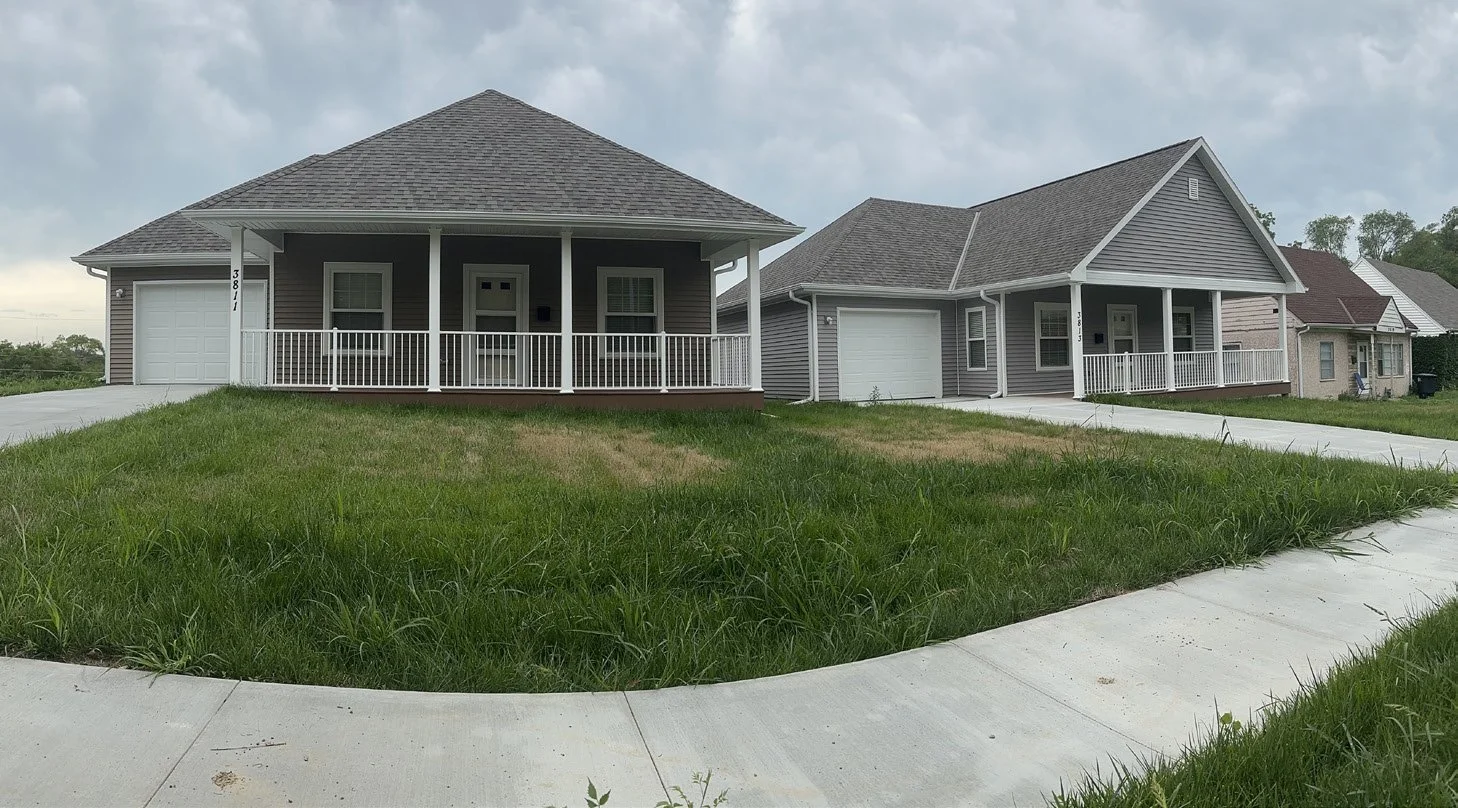
(Above) Typical houses built by Gesu Housing in Omaha. The organization was founded nearly 25 years ago by Br. Mike Wilmot, SJ.

Garan Santicola is a freelance writer who lives in the Catskill Mountains of upstate New York. His Beauty & Truth column on the arts has won multiple National Catholic Press awards. He writes regularly for The Christophers and is currently working on his first novel. He can be reached at garansanticola@gmail.com.
“Pat Evans knows everything about how the city functions,” says Fr. Matthew Walsh, SJ, who served on Gesu’s board while he was pastor of Saint John’s Parish at Creighton University. “She’s been really good in terms of helping Gesu Housing move from the leadership of Br. Mike to a lay person with experience in the area of housing in Omaha.”
Speaking to the community support that Gesu Housing has received over the years, Fr. Walsh says, “Omaha is very generous. There’s a lot of prosperity and there’s a lot of wealth, but it’s understated, and it’s not flashy. There’s a robust philanthropic community that is constantly trying to determine what’s the best way to help people in need.”
Harr calls attention to Gesu Housing’s Jesuit roots and the way Br. Wilmot inspired Creighton Prep graduates to volunteer for hands-on roles in early construction projects. Some of them went on to become longtime supporters and even board members.
“Gesu Housing was never really about houses,” Harr says. “The houses were the means. The mission was people.” Creighton University professor Fr. Larry Gillick, SJ, a classmate of Br. Wilmot’s at Marquette University High School in Milwaukee, watched the future Br. Wilmot answer a call to build, which later blossomed into his life’s work. “He was not building his kingdom,” Fr. Gillick says of Br. Wilmot’s transformation from sports hero with prospects for college stardom to “man for others” plying his talents as a carpenter, educator and builder for others. “He was building Christ’s Kingdom.”
rather than arrive to bless it. Brothers serve as colleagues, teachers and companions on the road. “The approachability brothers have with people, wherever they are in their faith and life, has always been consoling and inspiring,” Br. Trombley says.
None of this is a criticism of my brothers who are priests. It is a description of a different angle of approach. There are rooms brothers can walk into, and conversations brothers can have, where an ordained priest would change the temperature.
Think about how siblings actually work. When something goes wrong, you call your siblings first, before you call your parents, before you talk to your father. In that initial conversation, you can be raw, unfiltered and unafraid, as you seek counsel about the situation. Brothers “can meet people in the ways that ordained ministers cannot,” says Br. Sean Barry, SJ. As a Jesuit brother, this is what I can offer to the Church: a bridge, a space for people to come and be present without fear or judgment, to be their brother and accompany them to the sacraments, sitting with them in the pews as fellow siblings and children of God.
When I decided to become a Jesuit, it was not initially easy for my mother to accept. She had imagined herself as a grandmother. Throughout my life, she saved little things she thought would make fun gifts, keepsakes and memories for my children. Recently, after my mom visited me in Chicago and spent a few days with me and some other Jesuits, she sent me a thank you note with this message: “I always wanted to give you the brothers and sisters you always wanted as a kid, and I see now that God finally gave you those siblings, and I now have more sons than I could have ever imagined.”