A Clear, Strong Voice for the Powerless
Fr. Owen Chourappa, SJ, finds professional and spiritual fulfilment as a priest and lawyer advocating for impoverished tea settlement workers and others in northeastern India
By Fr. Owen Chourappa, SJ
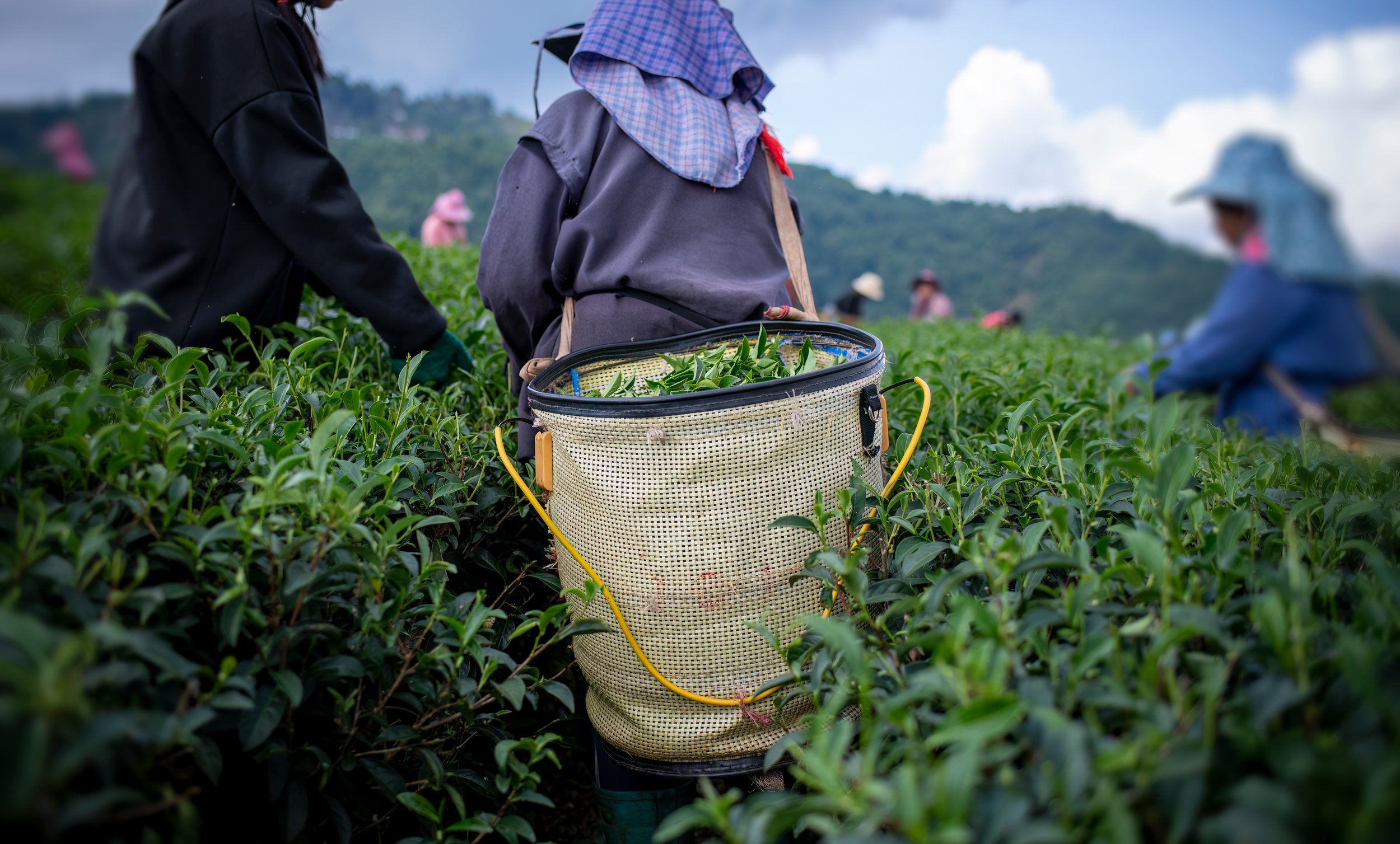
Tea settlement workers in Assam, India, live in extreme poverty, generation to generation, with limited access to decent housing, food, clean drinking water, healthcare and education. Attorneys and paralegals at the Legal Cell for Human Rights are working to end the cycle.
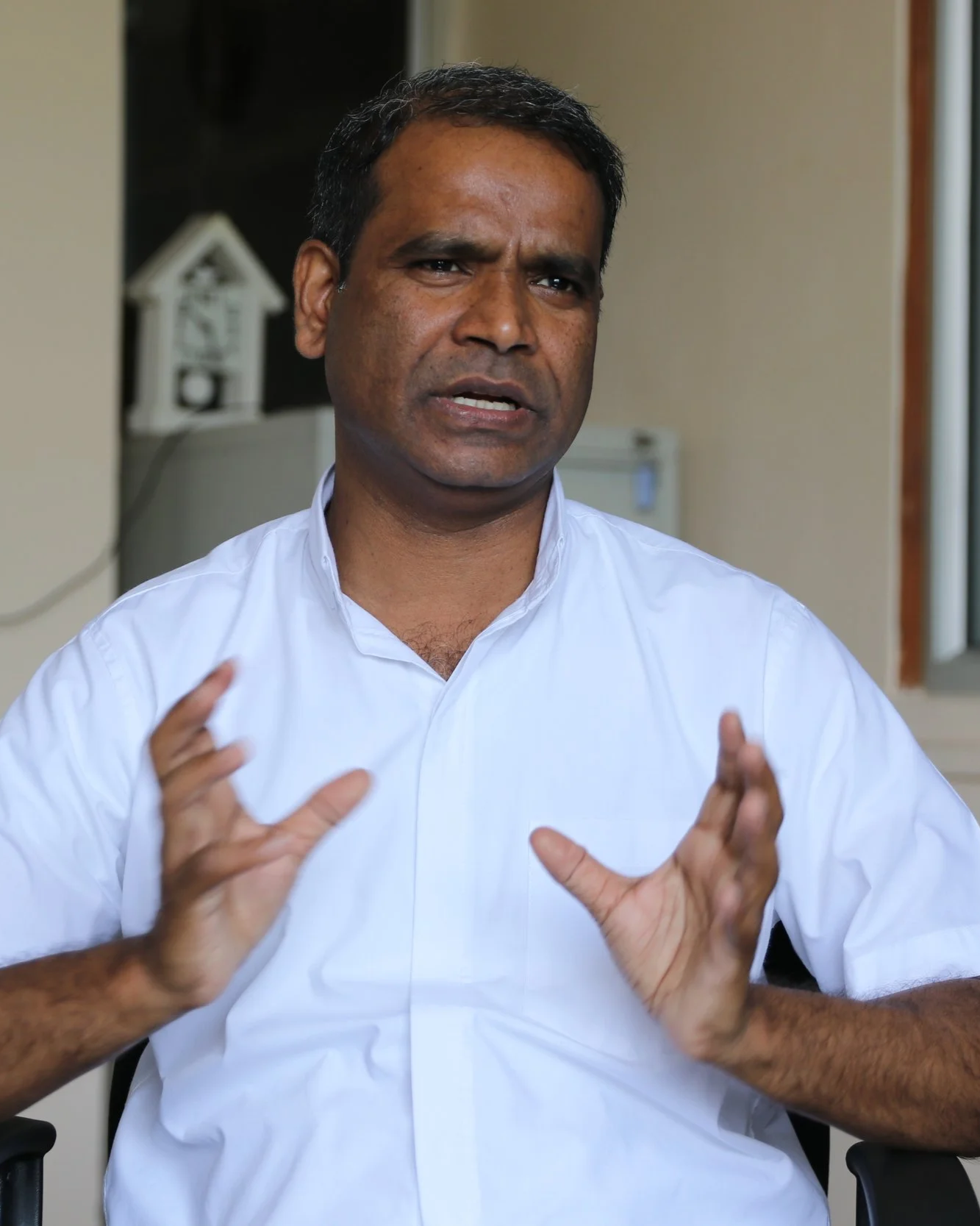
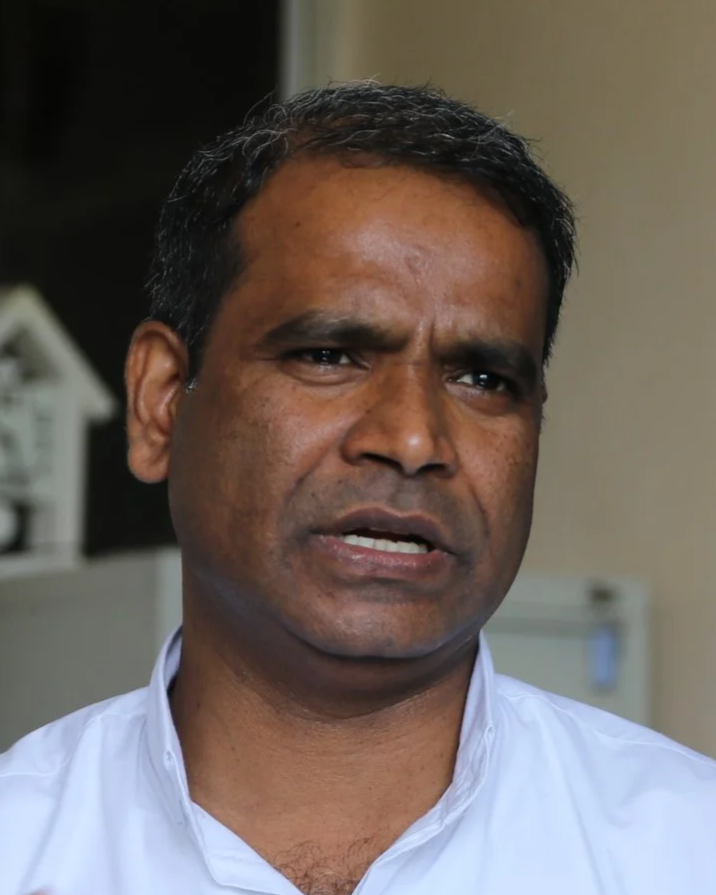
Fr. Owen Chourappa, SJ, in the offices of the Legal Cell for Human Rights in India’s Kohima Jesuit Region.
IT WAS ONLY AFTER A PARISH PRIEST TOLD ME ABOUT ANOTHER PRIEST WHO WAS A LAWYER SERVING THE POOR THAT I BELIEVED I COULD ALSO DO BOTH.
Lawyers and courtroom scenes always attracted me. I always wanted to be a lawyer and do well in life because of its societal impact and financial rewards. But I also desired to be a priest.
It was only after a parish priest told me about another priest who was a lawyer serving the poor that I believed I could also do both. Today, as a Jesuit in the Kohima Jesuit Region, a lawyer and the executive director of the Legal Cell for Human Rights (LCHR), I serve the poor in northeastern India. I was fortunate that the Society of Jesus gave me the opportunity to study law and prepare myself to serve the people.
What the Legal Cell for Human Rights Does
The mandate of LCHR, which was founded by Jesuits in 2006, is to empower rural and tribal communities with legal knowledge so they can access justice and entitlements provided by law.
To date, the LCHR has trained 1,300 youths as Para Legal Volunteers (PLVs) to function as liaisons between their people and the government. PLVs are also trained to rescue trafficked victims with the support of the police and to prevent child marriages. In 2024- 2025 alone, PLVs rescued 56 trafficked victims, prevented 22 child marriages and organized 2,400 legal-awareness programs that taught villagers about their rights and duties as citizens. The LCHR also represents women, children and the elderly in legal proceedings, including cases involving domestic abuse and violence.
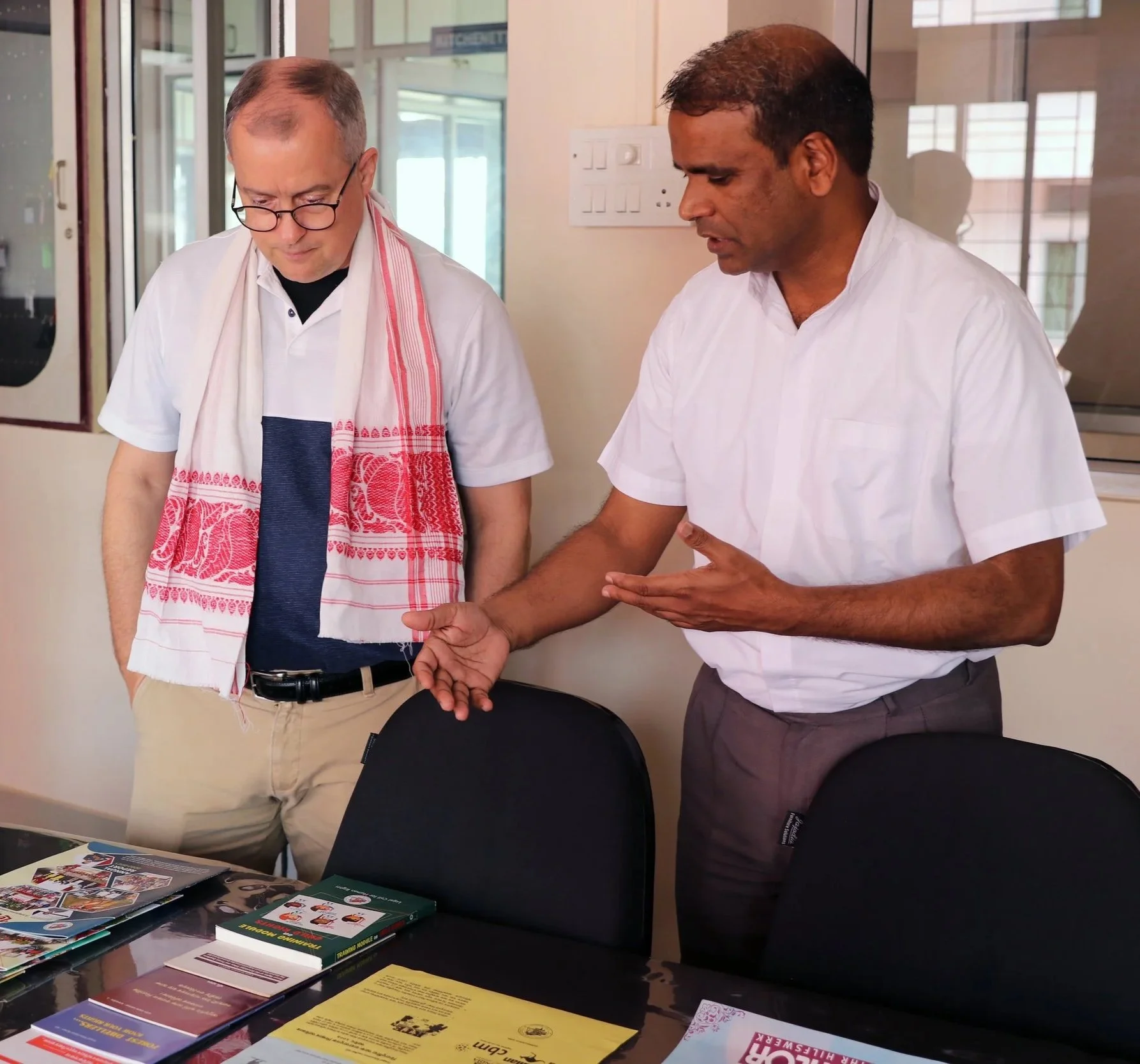
Very Rev. Karl Kiser, SJ, provincial of the Midwest Province, visits Fr. Owen Chourappa, SJ, at the office of the Legal Cell for Human Rights in India.
The Problems Faced by the Tea Tribes
The tea tribes’ problems are not isolated issues but an interconnected web of challenges that form a self-perpetuating vicious cycle. Low wages cause poverty, which prevents families from affording education and healthcare. A lack of education and skill development locks people into low-paying, unskilled jobs, while poor living conditions and malnutrition lead to chronic health issues, further reducing productivity and deepening workers’ debt.
Tea workers in Assam receive wages that do not meet the minimum standards for a decent living. That poses significant challenges for meeting essential needs, including access to nutritious food, adequate housing, clothing, quality healthcare and education. Consequently, they often resort to borrowing from local money lenders or working additional hours, exacerbating their physical exhaustion, mental stress and overall familial vulnerability.
Substandard Living Conditions, Health Crises and the Struggle for Identity, Land and Rights
Housing in the tea garden settlements is dilapidated, overcrowded and poorly constructed, lacking basic amenities such as electricity, clean water and proper sanitation. Only 28% of workers reside in permanent “pucca” houses. The rest live in semi-permanent or temporary structures known as “kutcha” houses. Due to persistent underinvestment and neglect by state authorities and private management companies, these worker settlements—which are legally required to provide a minimum standard of housing—have become unsafe, cruel places to live.
More than 50% of tea workers use tube well or borehole water as their main source of drinking water. Around a quarter of workers drink dug well water, and only 15% have access to piped water. Since many tea estates are in remote areas, 9% of workers drink water from springs.
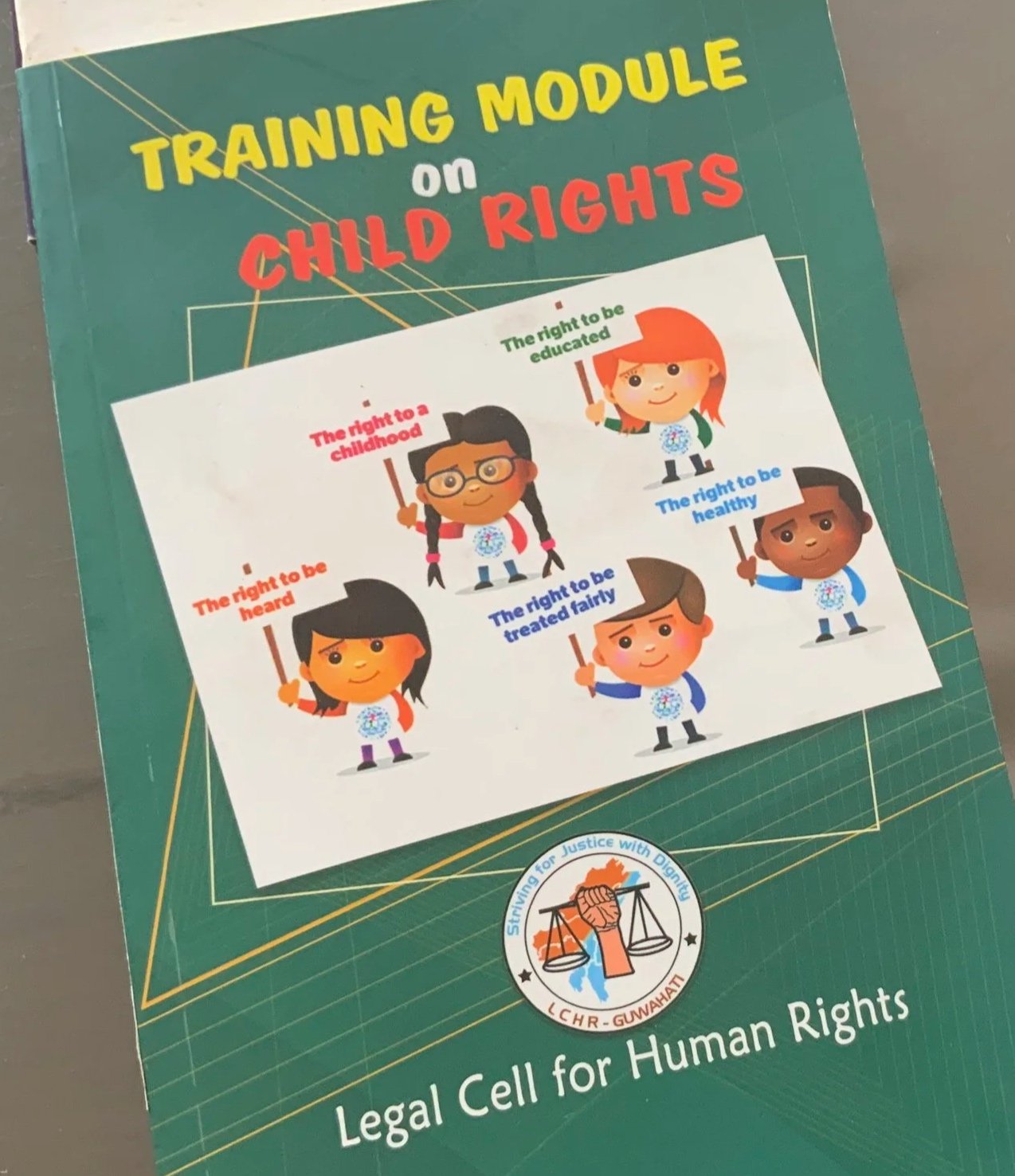
The Legal Cell for Human Rights produces booklets like this one to educate tea garden workers and villagers about their rights as citizens.
Employers are required under the Plantations Labour Act of 1951 to provide easily accessible hospitals, medical personnel and necessary medications in plantation areas. Yet many tea estates lack viable medical outposts, with clinics frequently operating without staff or with inadequate and out-of-date medical supplies. Pregnant women often give birth without professional help, and workers who suffer from infectious diseases, malnutrition and occupational hazards go untreated.
Alarmingly low literacy rates caused by financial restraints and a lack of educational infrastructure perpetuate the cycle of poverty by locking children into the same low-wage, unskilled labor as their parents. Beyond immediate socio-economic challenges, the government’s denial of land and legal identity rights ensures that the tea tribes remain in a state of perpetual bondage. Obviously, we at LCHR have much work ahead of us.
Being in the legal profession, I am able to meaningfully contribute to the well-being of people by taking up their causes in real time. We haven’t solved the problems for everyone. But we approach it one case at a time. We focus on the dignity of one person at a time.
I entered the legal profession because of its blend of intellectual challenge and societal impact, and I will continue to advocate for these people as long as I am able.